
Why Your Joints Ache More in Monsoon — And What Ayurveda Says to Do
Cold, damp weather aggravates Vata dosha and makes old joint pain and stiffness flare up. Simple Ayurvedic habits from our Akola clinic to ease monsoon joint discomfort.
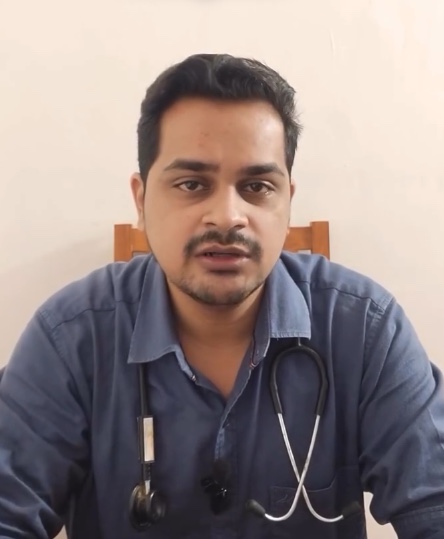
Every monsoon, we see the same pattern at our Akola clinic — patients with old knee pain, stiff shoulders or a cranky lower back who were doing fine in summer suddenly start complaining again. It isn't in their heads. In Ayurveda, the damp, cold, windy quality of the rains directly aggravates Vata dosha, and Vata governs movement, joints and the nervous system. When Vata rises, joints feel stiffer, pain thresholds drop, and old injuries "remember" the weather. Add in reduced outdoor activity and a heavier, colder diet, and July becomes peak season for aches that summer had quietened.
Why monsoon is hardest on joints
- Cold and damp air stiffens muscles and connective tissue around joints, especially knees, shoulders and the lower back.
- Lower activity levels — fewer walks, more time indoors — mean joints move through a smaller range each day, so stiffness builds up.
- Sluggish circulation in cold, humid weather slows the clearing of metabolic waste (ama) from tissues, which Ayurveda links to dull, nagging pain.
- Barometric pressure changes during heavy rain are a well-known trigger for joint discomfort, monsoon or not.
Ayurvedic habits that genuinely help
- Warm oil self-massage (abhyanga) on knees, shoulders and the lower back before a warm shower — even 5–10 minutes daily improves local circulation and eases stiffness.
- Keep joints warm and dry — avoid sitting in wet clothes, use a light shawl or knee wrap on rainy, windy days, and dry off promptly after getting caught in rain.
- Gentle, consistent movement — a short daily walk indoors or light stretching keeps synovial fluid moving even when the weather keeps you in.
- Favour warm, cooked, lightly spiced food — soups, dals and vegetables cooked with ginger, garlic, turmeric and a little ghee — over cold, raw or heavy fried food that aggravates Vata.
- Sleep and rest on time — an irregular monsoon routine (late nights, disturbed sleep from rain and thunder) further unsettles Vata and worsens pain perception.
None of this replaces proper diagnosis. If joint pain is new, one-sided, comes with swelling, redness, fever, or is affecting daily function, please see a doctor — it could be an infection, injury or inflammatory condition that needs specific treatment rather than home care alone. Our clinic's pain management consultations are there for exactly this kind of persistent or unclear joint pain.
Monsoon joint pain is usually your body's weather report, not a new disease — warmth, gentle movement and the right food can quiet it down within days. But persistent or worsening pain always deserves a proper look, not just home remedies.