
Monsoon Skin Care: Keeping Fungal Infections and Breakouts Away
Humidity and sweat make July the peak month for skin rashes and fungal infections in Akola. Simple Ayurvedic habits to keep skin clear and dry this monsoon.
Akola's monsoon brings relief from the heat, but it also brings a familiar clinic complaint: patches of itchy, red skin in the folds of the elbows, underarms, groin and between the toes. In Ayurveda this is a kapha–pitta skin condition — trapped moisture and heat breeding krimi (microbial overgrowth) on skin that never gets a chance to fully dry.
Why monsoon skin flares up
- Constant humidity keeps sweat from evaporating, so skin folds stay damp all day.
- Synthetic, tight clothing traps moisture against the skin — a common trigger we see in patients who wear the same damp socks or innerwear through a rainy day.
- Sluggish digestion in this season lets ama (toxins) build up, often showing first as dullness, breakouts or slow-healing pimples.
- Waterlogged commutes mean skin is repeatedly wet and dried without a real cleanse in between.
A simple monsoon skin routine
- Dry before you dress. After a bath or getting caught in rain, pat every fold — underarms, groin, between toes — completely dry before putting on clothes.
- Choose breathable fabric. Cotton innerwear and socks, changed the moment they're damp, reduce the warm-moist environment fungus needs.
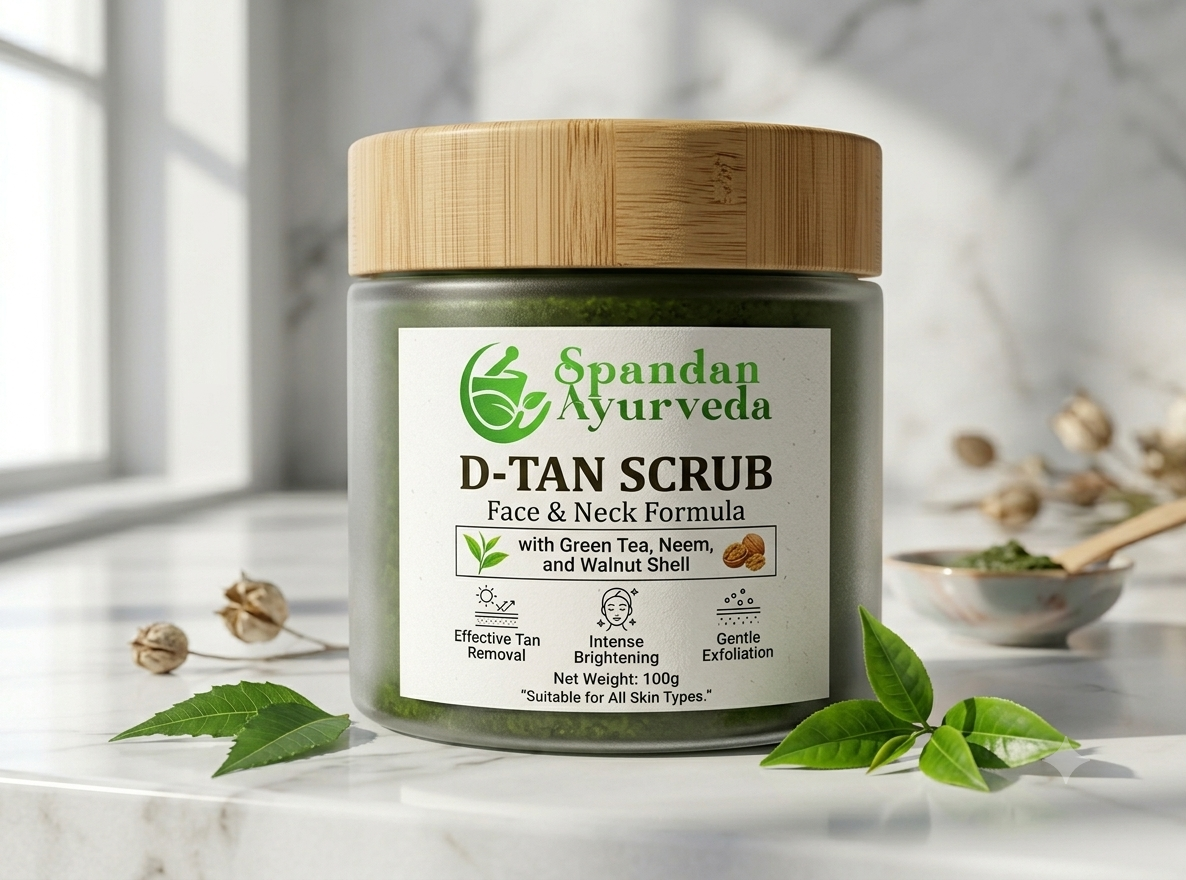
- Exfoliate gently, twice a week. A natural scrub with neem and green tea lifts away dead skin and excess oil without over-stripping — helpful for tan and monsoon dullness together.
- Keep meals light in the evening. Favour warm, freshly cooked food over fried monsoon snacks; a calmer gut usually means calmer skin within a couple of weeks.
- Air out shoes and slippers. Rotate two pairs so each gets a full day to dry — damp footwear is one of the most common sources of toe-fold infections we see.
When to see a doctor
Mild redness or a few small bumps often settle with dryness and hygiene alone. But see a doctor if a patch is spreading, intensely itchy, oozing, ring-shaped, or not improving after a week of home care — these need proper examination and treatment, not self-medication.
Monsoon skin trouble is almost always about trapped moisture. Keep the skin dry, breathable and lightly exfoliated, and most flare-ups never get the chance to start.